

The e-commerce landscape today is overflowing with buzz and promises. Social media feeds are packed with flashy claims like "Make $10,000 in 7 Days!" While these headlines may capture attention, they often misrepresent the truth of what it takes to build a sustainable, profitable business in the e-commerce world.
The reality? The opportunity to sell online has never been greater, but the complexity of building a successful e-commerce brand has also never been higher. In this comprehensive guide, we’ll cut through the noise and dive deep into four key e-commerce business models, analyzing their strengths, weaknesses, and strategic roles in building long-term wealth.
If you’re a business owner, eCommerce manager, or marketing professional looking to scale your online business, this article will provide actionable insights to help you navigate the challenges ahead.
Redefining E-Commerce Success: A Strategic Foundation
At its core, e-commerce is about connecting a product that solves a real human problem or fulfills a need directly to consumers. The key word here is directly. Modern e-commerce bypasses traditional retail distribution, relying instead on digital tools to build a direct relationship with customers.
But success isn’t just about selling a product – it’s about how you sell it. The critical takeaway is this: the structure of your business model defines your risk, profitability, and long-term scalability. Let’s take a deep dive into each of the four primary e-commerce models to understand their trade-offs and identify the optimal path to success.
sbb-itb-e2944f4
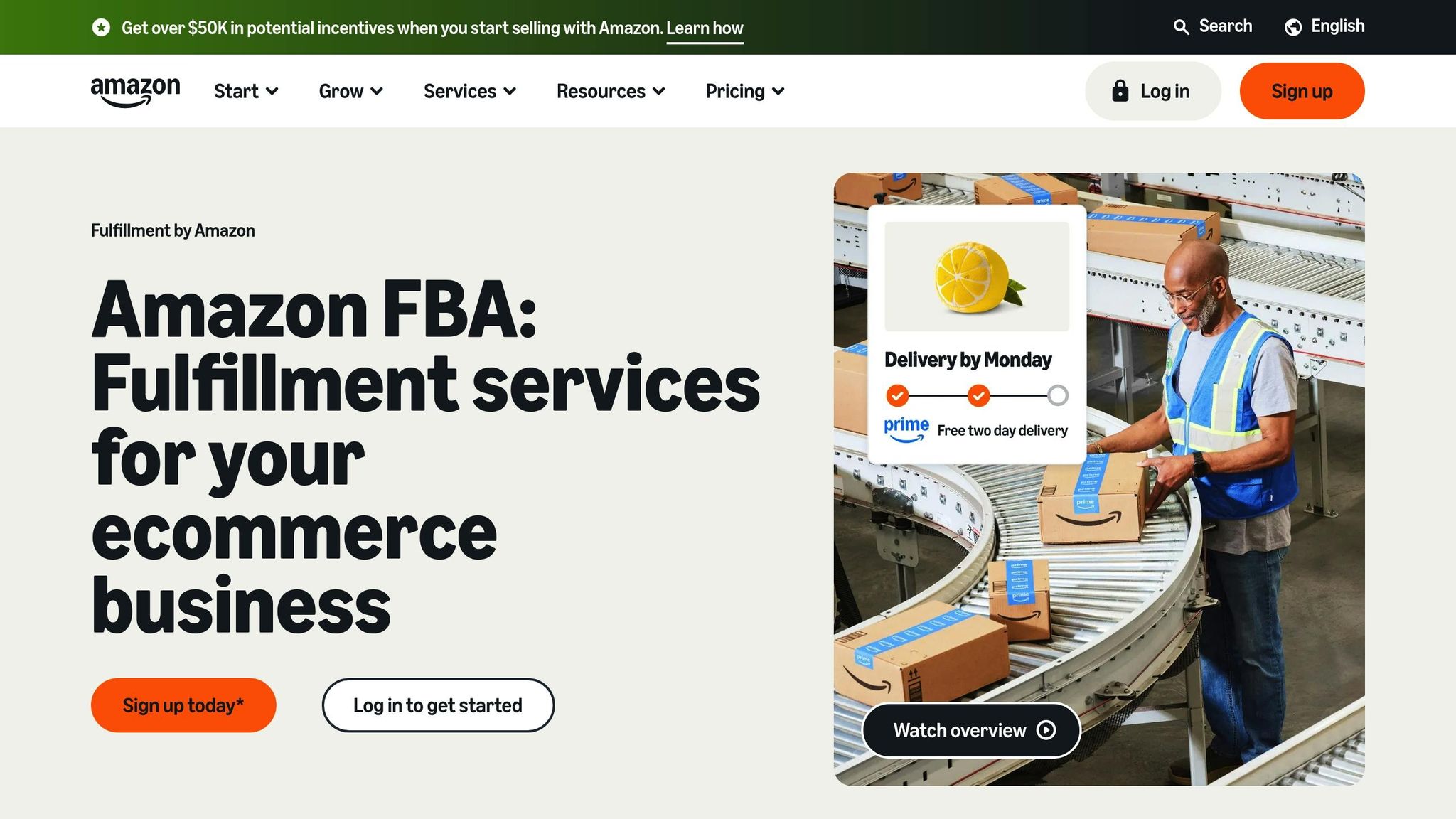
Model 1: Marketplace (e.g., Amazon FBA, Etsy)
The Appeal
Marketplace platforms like Amazon and Etsy provide a built-in infrastructure that’s incredibly attractive to beginners. With features like massive customer traffic, high trust, and logistics support (e.g., Fulfillment by Amazon), you can start selling products without building everything from scratch.
Hidden Risks
However, building your business on a marketplace comes with significant drawbacks:
- High Fees: Between referral, fulfillment, storage, and returns fees, marketplaces can take 20%-40% of your profit margins, making it difficult to scale effectively.
- Zero Customer Data: You don’t own customer information, hindering your ability to remarket or build loyalty.
- Lack of Control: Your business is vulnerable to policy changes or new compliance rules that can shut down entire categories overnight.
- Brand Limitations: Building a distinctive brand is nearly impossible when operating under the marketplace’s rules and branding.
Verdict
While marketplaces are an excellent entry point for new entrepreneurs due to their convenience, they are a high-risk, low-control model that limits long-term scalability and wealth creation.
Model 2: Dropshipping
The Appeal
Dropshipping minimizes upfront investment, as you don’t have to hold inventory or handle fulfillment. This makes it an attractive option for testing product ideas quickly and with minimal capital risk.
Hidden Challenges
Dropshipping’s low barrier to entry, however, creates major limitations:
- Poor Customer Experience: Long shipping times (often 4-6 weeks) lead to frustrated customers, chargebacks, and refunds.
- Zero Quality Control: Since you never handle the product, you’re gambling on your supplier’s reliability.
- Low Business Valuation: Without a unique brand or strong customer loyalty, dropshipping businesses tend to have little intrinsic value.
- Unstable Margins: Profitability is tied to volatile ad costs and supplier pricing, making it hard to sustain or scale.
Verdict
Dropshipping is best suited as a temporary testing ground for validating product ideas. Long-term, it offers limited potential for building a sellable or scalable business.
Model 3: Inventory/Wholesale
The Appeal
In this model, you purchase products in bulk, store them, and either fulfill orders yourself or use a third-party logistics (3PL) provider. The benefits include:
- Higher Margins: Buying in bulk reduces cost per unit, widening the profit margin.
- Full Control: You oversee product quality, branding, and packaging, giving you the ability to build a strong customer experience.
- Shipping Speed: Faster delivery times boost customer satisfaction and retention.
Challenges
The inventory model requires significant upfront investment and operational complexity:
- Capital Risk: If products don’t sell, you’re stuck with unsold inventory and sunk costs.
- Logistics Overhead: Managing storage, shipping, and returns can be overwhelming, even with 3PL support.
- Operational Complexity: Outsourcing logistics to a 3PL reduces physical workload but introduces management challenges like inventory tracking and ensuring compliance.
Verdict
This model offers profitability and brand control, but it requires substantial capital and operational expertise. It is best suited for entrepreneurs ready to scale after validating their product.
Model 4: Direct-to-Consumer (DTC)
The Appeal
DTC brands operate their own online stores, typically using platforms like Shopify. This model offers the highest potential for building long-term equity and control:
- Full Brand Ownership: You control the customer journey, from branding and packaging to post-purchase communication.
- Customer Data: DTC stores collect critical customer information, enabling personalized marketing and long-term loyalty.
- Scalable Value: A well-run DTC brand holds significant value for potential buyers or investors.
The Challenge
The primary hurdle for DTC brands is driving customer traffic:
- Paid Advertising Costs: Without built-in marketplace traffic, you must invest heavily in advertising on platforms like TikTok or Meta.
- Conversion Rate Optimization (CRO): Scaling requires optimizing every aspect of your website to maximize conversions.
- Cash Flow Management: Rapid scaling often creates a cash crunch, as ad spend precedes customer payments.
Verdict
DTC is the gold standard for long-term e-commerce success, but it demands a disciplined approach to traffic generation, conversion optimization, and cash flow.
The Strategic Hybrid Approach: Combining Models for Maximum Success
The key to building a successful e-commerce brand isn’t choosing one model – it’s using them sequentially and strategically. Here’s how:
- Start with Dropshipping: Use the low-cost, low-risk dropshipping model to test whether there’s market demand for your product.
- Validate and Pivot: Once you identify a winning product, transition to a DTC store (Shopify) and begin bulk purchasing inventory to increase margins.
- Leverage 3PL Fulfillment: Outsource shipping and logistics to streamline operations while focusing on scaling your marketing efforts.
- Build a Brand: Invest in brand identity, customer experience, and loyalty programs to maximize long-term value.
- Position for Exit: As your brand matures, focus on increasing profitability and solidifying customer relationships to attract high-value acquisition offers.
This hybrid approach ensures risk mitigation at the start and maximum scalability in the long run.
Key Takeaways
- E-commerce success is built on strategy, not luck. Avoid the hype and focus on disciplined execution.
- Understand the trade-offs of each model:
- Marketplace gains traffic but sacrifices control.
- Dropshipping is affordable but offers no brand equity.
- Inventory provides profitability but requires capital and logistics expertise.
- DTC gives maximum control but demands advanced marketing and CRO skills.
- The optimal strategy is hybrid: Start with low-cost models (e.g., dropshipping) to validate your product, then pivot to DTC and inventory to scale and build equity.
- Customer data is the ultimate asset. DTC models allow you to own the customer relationship, driving long-term growth and profitability.
- Scaling requires discipline: Invest in traffic, CRO, and cash flow systems to manage growth effectively.
- Prepare for the long game: E-commerce success may take six months or more, so align your expectations and plan accordingly.
Final Thoughts
The path to e-commerce success isn’t easy, but it’s achievable with the right mindset and strategy. By understanding the strengths and weaknesses of each model and using them in a disciplined, hybrid approach, you can create a scalable, profitable brand that stands the test of time. Remember, the ultimate goal is not just short-term revenue but building a business that generates long-term value and wealth.
Source: "2026 How to Build a Profitable E-Commerce Brand (4 Proven Models + Strategy)" – EcomDeepDive, YouTube, Dec 4, 2025 – https://www.youtube.com/watch?v=-svrwUnIpRo