

In today’s ever-evolving eCommerce landscape, manufacturers face unique challenges and opportunities. With the rise of global commerce and the dominance of platforms like Amazon, the rules of the game have shifted. Yet, despite the hurdles, the right approach can help manufacturers not just compete but thrive. This article explores insights shared by Ryan McConnell, president of Vent-A-Matic, on how manufacturers can adapt, innovate, and succeed in the digital age by leveraging a hybrid approach that mixes Amazon‘s reach with the control of direct-to-consumer (DTC) strategies.
The Stakes for Manufacturers in eCommerce
"If you don’t figure out Amazon, then Amazon will figure you out", says Ryan McConnell. This bold statement encapsulates the stark reality for manufacturers navigating today’s eCommerce ecosystem. For companies like Vent-A-Matic, the decision to control their Amazon listings was not optional – it was a necessity. The alternative? Watching third-party resellers undercut them or misrepresent their products.
However, while Amazon is invaluable for its massive customer base and fulfillment infrastructure, relying solely on it comes with significant trade-offs. Amazon often "rents" access to customers, laying claim to a hefty portion of the sale through fees – 15% in many product categories – without bearing storage or inventory risk. This high cost underscores why McConnell advocates for a balanced approach, blending the advantages of Amazon with the independence of DTC channels like Shopify.
sbb-itb-e2944f4
Beyond Revenue: What Growth Really Means
Manufacturers like Vent-A-Matic don’t just measure growth by revenue alone. McConnell emphasizes the importance of building long-term resilience. For a private, family-owned company like Vent-A-Matic – operating for over 75 years – growth involves creating a sustainable organization capable of weathering market shifts and continuing to provide value over generations.
This long-term perspective enables Vent-A-Matic to prioritize innovation and customer satisfaction over short-term profitability. As McConnell points out, "We’re standing on the shoulders of giants. It’s critical that we focus on ensuring the company provides jobs, products, and solutions for decades to come."
Key Metrics for Manufacturers in a Global Market
For manufacturers, growth is as much about operational efficiency as it is about customer satisfaction. McConnell highlights the dual focus on:
- Manufacturing productivity: Vent-A-Matic carefully manages seasonal demand, particularly for ventilation products that peak in spring and summer.
- Customer satisfaction and on-time delivery: Flexibility in production capacity ensures they can meet seasonal spikes without leaving warehouses idle during off-peak periods.
Additionally, product diversification has been essential. For example, ceiling fans – often misunderstood as simple cooling devices – are marketed for their ability to efficiently mix warm air during winter, reducing energy consumption. Such an approach extends revenue opportunities beyond seasonal constraints.
The Amazon vs. Shopify Debate: Why Not Both?
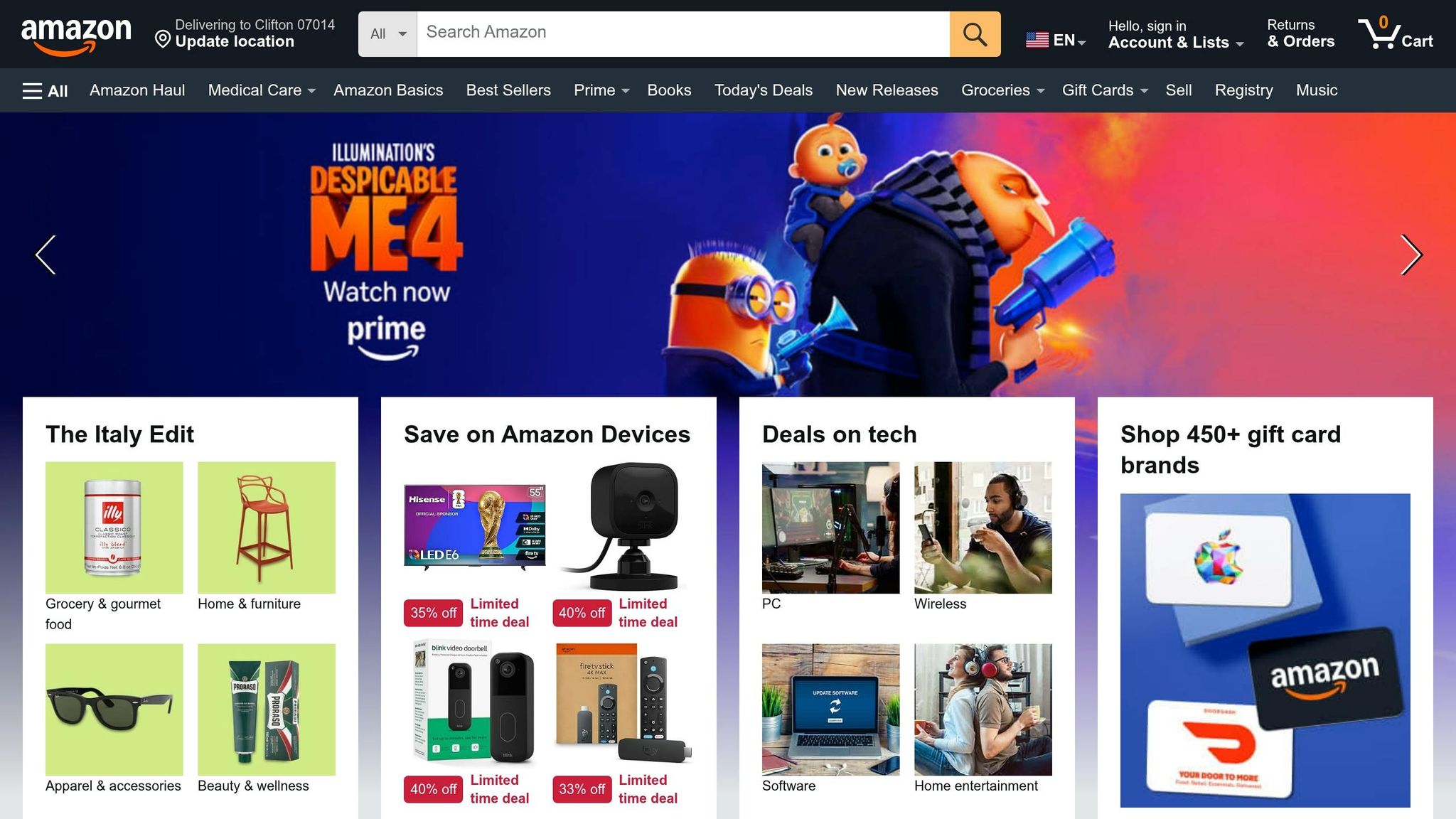
Manufacturers expanding into eCommerce face a critical decision: should they rely on platforms like Amazon or invest in their own DTC channels? Vent-A-Matic’s answer is clear – embrace both.
Key Misconceptions About Selling on Amazon
One common myth is that Amazon purchases inventory wholesale and takes full responsibility for selling it. In reality, many sellers operate under two categories:
- Fulfilled by Amazon (FBA): Where products are stored in Amazon warehouses, enabling faster "Prime" shipping but incurring storage fees.
- Vendor-fulfilled options: Where sellers manage inventory and shipping themselves, while Amazon earns a percentage of each sale.
While Amazon provides immense reach, it also comes with costs and risks. Competitors can list similar products and undercut prices, creating a race to the bottom. McConnell stresses the importance of taking control of Amazon listings to avoid leaving this channel vulnerable to outside sellers.
The Case for a Blended Approach
DTC platforms like Shopify offer manufacturers full control over branding, customer relationships, and pricing. While managing a standalone store carries upfront costs for website maintenance and advertising, the long-term benefits of owning the customer interaction are invaluable. According to McConnell, "Your email list and private channels are assets you own, unlike rented space on Amazon."
Vent-A-Matic strategically determines which products perform better on Amazon versus Shopify, with size and logistics often being deciding factors. For example, smaller items that qualify for Prime shipping through FBA fare better on Amazon, while larger, niche products are more suited for Shopify.
Protecting Margins in the Face of Global Competition
One of the biggest challenges facing American manufacturers is pressure on profit margins due to competition from lower-cost overseas suppliers. McConnell identifies two key strategies to safeguard margins:
- Innovation: Regularly updating product designs, features, or even colors helps differentiate Vent-A-Matic products from cheaper imitations.
- Brand Strength: Building a reputation for quality and reliability creates customer loyalty. For instance, Vent-A-Matic emphasizes the superior performance and durability of their products, which often outlast cheaper alternatives.
Additionally, Vent-A-Matic uses in-house testing to expose false performance claims made by overseas competitors, reinforcing their commitment to quality and transparency.
Competing in a Global Economy: Challenges and Opportunities
McConnell acknowledges the difficulties of competing with international manufacturers who often benefit from government subsidies and lower production costs. Yet, he also sees opportunities in leveraging global supply chains for components while emphasizing local engineering and assembly.
In sectors like industrial ventilation, Vent-A-Matic capitalizes on the logistical inefficiencies of shipping large items, which gives domestic manufacturers a competitive edge. McConnell notes, "There are some products where we simply can’t compete on price, but we can compete on quality, performance, and brand values."
Preparing for the Future of Manufacturing
Looking ahead, McConnell believes the future of American manufacturing lies in modernization and automation. With fewer young people entering the industry, manufacturers must adopt advanced technologies to boost productivity and offset labor shortages. While manual processes still have their place, greater investment in automation will be essential for maintaining cost competitiveness.
Moreover, McConnell stresses the importance of fostering collaboration among manufacturers and advocating for industry-friendly policies. By working together and sharing best practices, manufacturers can strengthen their collective voice and influence government support.
Key Takeaways
- Control Your Amazon Strategy: Manufacturers can’t ignore Amazon but must maintain control of their listings to protect brand integrity and margins.
- Adopt a Hybrid Approach: A blended strategy using both Amazon and DTC platforms like Shopify allows manufacturers to capitalize on the strengths of each channel.
- Focus on Long-Term Growth: Sustainable business practices, innovation, and customer satisfaction drive long-term success, not just quarterly profits.
- Innovate to Protect Margins: Product updates, quality assurance, and transparency can help American manufacturers stand out from global competitors.
- Leverage Automation: To counter labor shortages, American manufacturers must modernize operations and invest in automated systems.
- Collaborate and Advocate: Building a network of manufacturers and collectively advocating for supportive policies can drive industry resilience.
- Emphasize Quality and Brand Trust: A strong brand with proven performance creates loyal customers who are willing to pay a premium.
Conclusion
The eCommerce landscape is challenging, but it’s also filled with opportunities for manufacturers willing to adapt. By pursuing a hybrid strategy that balances Amazon’s reach with the autonomy of DTC channels, manufacturers like Vent-A-Matic demonstrate how legacy brands can thrive in a digital world. With a focus on innovation, quality, and resilience, manufacturers can secure their place in the market for decades to come. The key is to remain flexible, embrace change, and never lose sight of what makes your brand unique.
Source: "E-commerce Strategy for Manufacturers: Amazon + DTC Done Right" – The Marketing Blender, YouTube, Mar 30, 2026 – https://www.youtube.com/watch?v=wpgih2XBQCE